Top 19 Scavenger Birds in The World (With Images)
From cleaning up carcasses to preventing the spread of disease, these often underappreciated avians are vital to our environment. In this article, we’ll explore the top 19 scavenger birds in the world, showcasing their unique adaptations and fascinating behaviors. Prepare to gain a newfound respect for these essential members of the animal kingdom!
List of Scavenger Birds in The World
Here is the list of animals without legs:
| Number of Animals | Names of Scavenger Birds in The World |
| 1 | Himalayan Griffon |
| 2 | Black Vulture |
| 3 | Common Raven |
| 4 | Bald Eagle |
| 5 | Marabou Stork |
| 6 | Red Kite |
| 7 | White-backed Vulture |
| 8 | Bearded Vulture |
| 9 | Rüppell’s Vulture |
| 10 | Egyptian Vulture |
| 11 | Crested Caracara |
| 12 | Andean Condor |
| 13 | Herring Gull |
| 14 | Carrion Crow |
| 15 | Griffon Vulture |
| 16 | King Vulture |
| 17 | Lappet-faced Vulture |
| 18 | Northern Giant Petrel |
| 19 | Turkey Vulture |
Himalayan Griffon
Scientific Name: Gyps himalayensis
The Himalayan Griffon, an awe-inspiring scavenger bird, gracefully soars through the dizzying heights of the Himalayas. With a wingspan that can extend over ten feet, these magnificent creatures are not just a sight to behold; they play a crucial role in their ecosystem. By feasting on carrion, the Himalayan Griffon helps maintain the delicate balance of nature, recycling nutrients back into the environment. Their ability to detect carcasses from several miles away showcases a remarkable adaptation, honed by evolution and necessity.
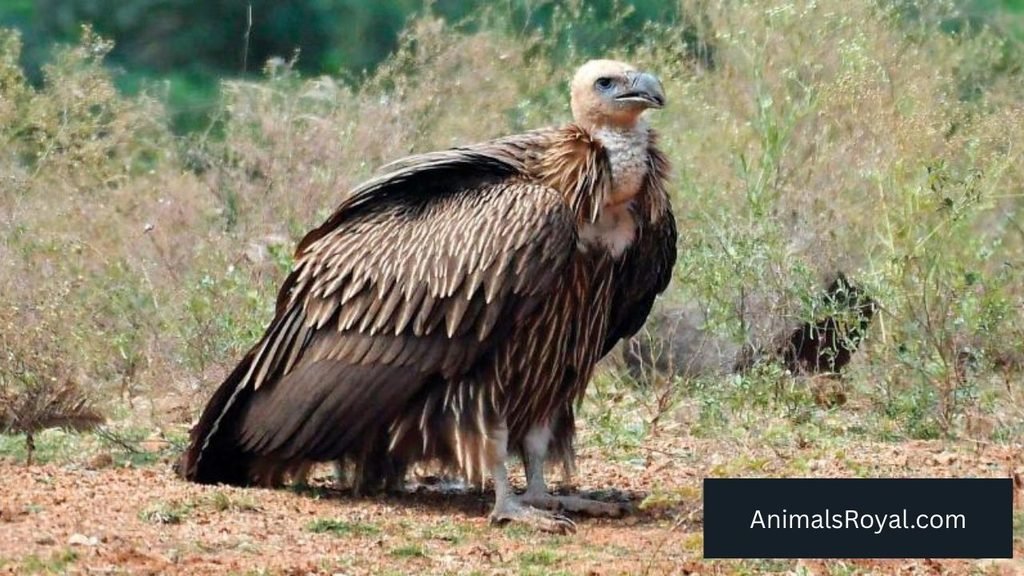
Their communal feeding habits also foster a unique hierarchy, where more dominant individuals secure the best access to food, showcasing a fascinating dynamic in avian social structure. Moreover, the threat posed by habitat loss and poisoning underscores the urgent need for conservation efforts. Protecting the Himalayan Griffon is not just about preserving a species, but about safeguarding the health of entire ecosystems that rely on these magnificent raptors to clean up the mountainside.
Black Vulture
Scientific Name: Coragyps atratus
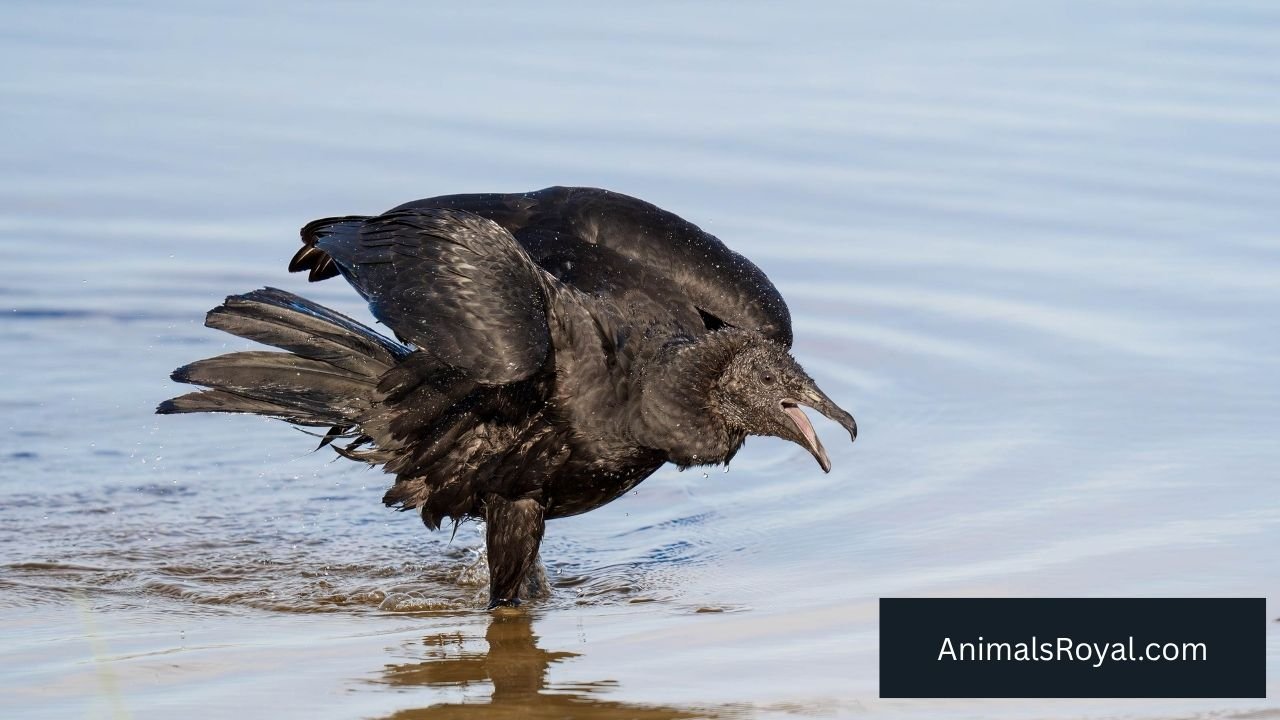
Black vultures, with their striking black plumage and imposing presence, play a crucial role in the ecosystems they inhabit. Unlike their more colorful relatives, these scavengers possess an acute sense of smell, enabling them to locate decaying carrion that other birds might overlook. This adaptation not only highlights their unique evolutionary path but also underscores their importance in maintaining ecological balance by recycling nutrients back into the environment.
Observing a black vulture is akin to witnessing a ballet of survival; they soar gracefully on thermal currents, often seen circling high above in search of food. As social creatures, they exhibit fascinating interactions with each other, often communicating with a series of hisses and grunts. Moreover, black vultures often engage in cooperative feeding, showcasing a level of social intelligence that is less recognized in the avian world.
Common Raven
Scientific Name: Corvus corax
The common raven, with its glossy black feathers and piercing intelligence, is often celebrated as one of nature’s most resourceful scavengers. Found across the Northern Hemisphere, these birds aren’t just opportunistic feeders; they play a crucial role in their ecosystems by cleaning up carrion and waste. Their vocalizations, a complex array of sounds, serve as a sophisticated form of communication, allowing them to organize their scavenging missions or alert others to potential food sources.
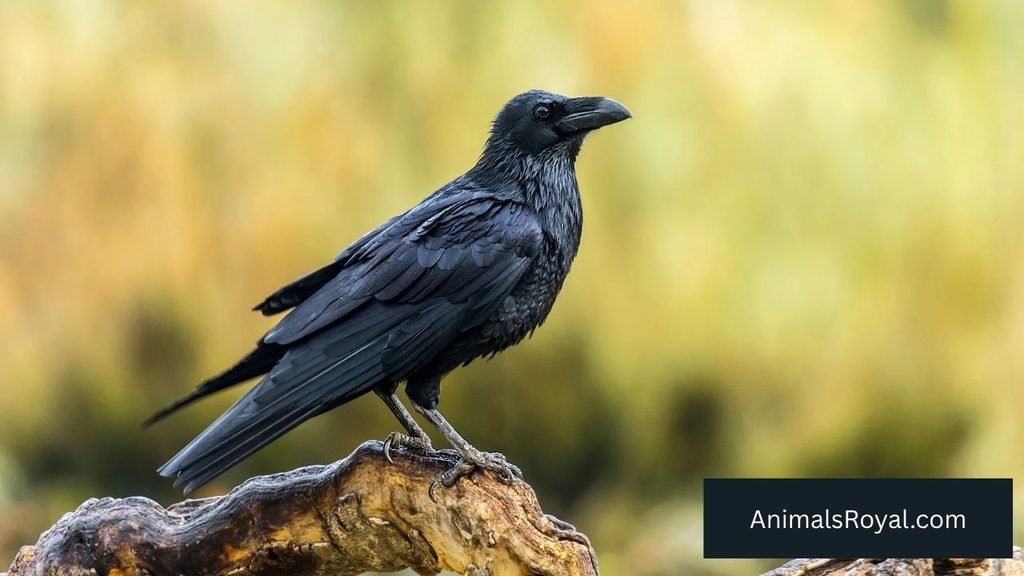
Interestingly, the common raven’s adaptability is a key factor in its survival. These birds thrive in diverse habitats, from rugged mountains to urban environments, demonstrating their exceptional resilience. Moreover, their playful nature often leads to engaging interactions, not just with other ravens but also with various animal species, including humans. This interplay can reveal unexpected relationships in the wild, as they may outsmart larger predators by feigning vulnerability to steal a meal.
Bald Eagle
Scientific Name: Haliaeetus leucocephalu
The Bald Eagle, often revered as a symbol of strength and freedom, plays a unique role in its ecosystem that may surprise many. While predominantly seen as a majestic predator, this bird is also a skilled scavenger, cleverly capitalizing on the spoils left behind by other animals. With its keen eyesight and powerful talons, the Bald Eagle often swoops down to claim carrion, showcasing adaptability in a world that demands survival in varied forms.
Not just a scavenger in the traditional sense, Bald Eagles exhibit a fascinating behavior known as kleptoparasitism, where they steal food from other birds. This opportunistic nature highlights not only their resourcefulness but also the intricate web of interactions within their habitats.
Marabou Stork
Scientific Name: Leptoptilos crumenifer
The Marabou stork, often considered the archetype of the scavenger bird, is both fascinating and grotesque. With its dramatic wingspan reaching up to 10 feet, this avian behemoth soars over the African savannah, showcasing an impressive presence that belies its scavenging habits. Often seen awkwardly perched on carcasses, its bald head and neck are perfectly adapted to the gruesome lifestyle, enabling it to feast on decaying remains without trapping unpleasant bacteria in feathers.
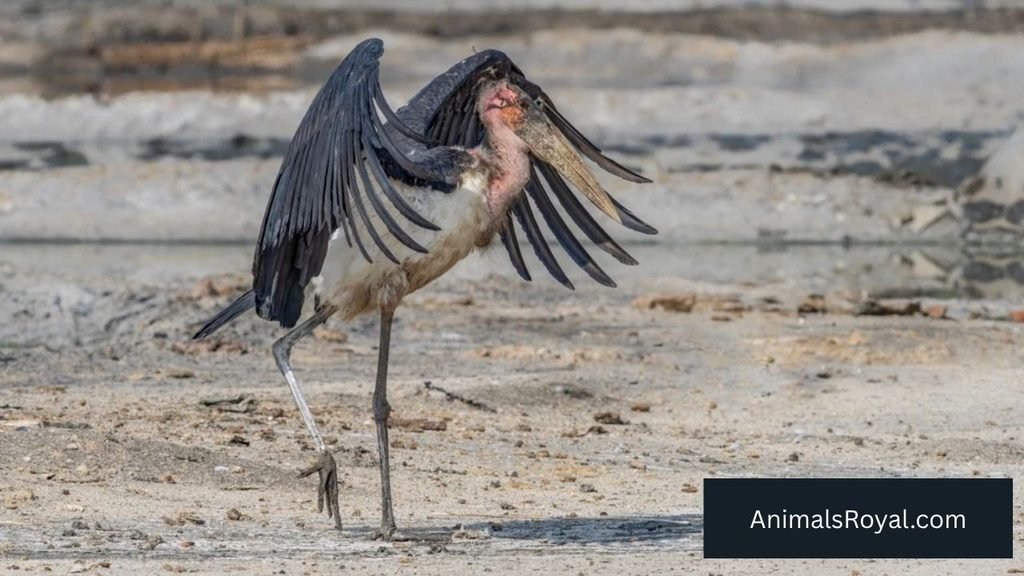
Beyond its role as a harbinger of death, the Marabou stork embodies a remarkable ecological balance. These birds thrive in environments marred by the struggles of life and death, effectively recycling nutrients back into the ecosystem. Their scavenging helps control disease, particularly in densely populated regions where other predators may falter.
Red Kite
Scientific Name: Milvus milvus
The red kite, with its strikingly forked tail and majestic wingspan, is a scavenger bird that embodies elegance in the skies. Historically, these birds were often regarded as symbols of good fortune, their presence heralding rich harvests. They thrive on a diet of carrion and small mammals, showcasing a remarkable adaptability that allows them to scavenge effectively in both rural and urban environments.
Interestingly, red kites have experienced a resurgence in recent decades due to conservation efforts, rebounding from near extinction in parts of Europe. This recovery not only speaks to the resilience of nature but also highlights the importance of biodiversity. Their role as scavengers helps maintain ecological balance, cleaning up carcasses that could otherwise spread disease.
White-backed Vulture
Scientific Name: Gyps africanus
The White-backed Vulture, a majestic scavenger of the skies, plays an essential role in its ecosystem by maintaining the balance of life and death. With a wingspan that can reach up to eight feet, its impressive stature allows it to soar high above the African savannah, spotting carrion from great distances. But what truly sets this bird apart is its unique feeding behavior — these vultures often work in groups, using cooperative tactics to find and consume carcasses efficiently.
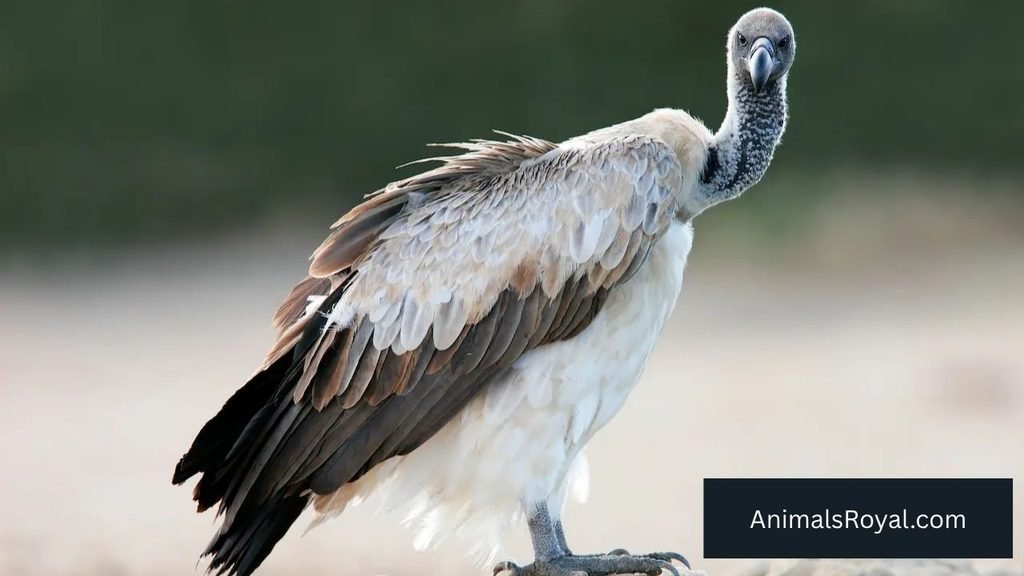
Yet, the White-backed Vulture faces significant challenges as populations decline due to habitat loss and poisoning. Conservation efforts are critical, as these birds are indicators of ecosystem health; their presence signals clean environments where diseases are kept at bay. Interestingly, research suggests that the vulture’s gut microbiome plays a crucial role in detoxifying harmful substances, which positions them as nature’s cleanup crew.
Bearded Vulture
Scientific Name: Gypaetus barbatus
The Bearded Vulture, often referred to as the “lame vulture” due to its unique diet consisting primarily of bone, stands as a fascinating testament to nature’s creativity. Unlike many of its scavenger counterparts that feast on decomposing flesh, this remarkable bird cleverly uses its powerful beak to crack open bones, enabling it to access the nutrient-rich marrow within.
The bearded vulture’s striking physical appearance, with a distinctive beard-like tuft of feathers beneath its eye, adds to its aura of mystique. Beyond its primal beauty, this bird plays a crucial role in its ecosystem, acting as nature’s recycler by ensuring that nothing goes to waste — every bone serves a purpose. In an age where vultures face increasing threats, the Bearded Vulture stands as an emblem of resilience, showcasing how adaptation can lead to evolutionary marvels in the harshest of environments.
Rüppell’s Vulture
Scientific Name: Gyps rueppelli
Rüppell’s Vulture, the highest-flying bird known to science, soars effortlessly at altitudes exceeding 37,000 feet, an extraordinary feat that showcases its remarkable adaptation to life in the rugged mountains of East Africa. With a wingspan that can stretch over eight feet, this scavenger is not just a master of the skies but a critical player in its ecosystem. Rüppell’s Vultures possess an acute sense of sight that allows them to spot carrion miles away, making them essential for maintaining ecological balance by disposing of decomposing remains that could otherwise spread disease.
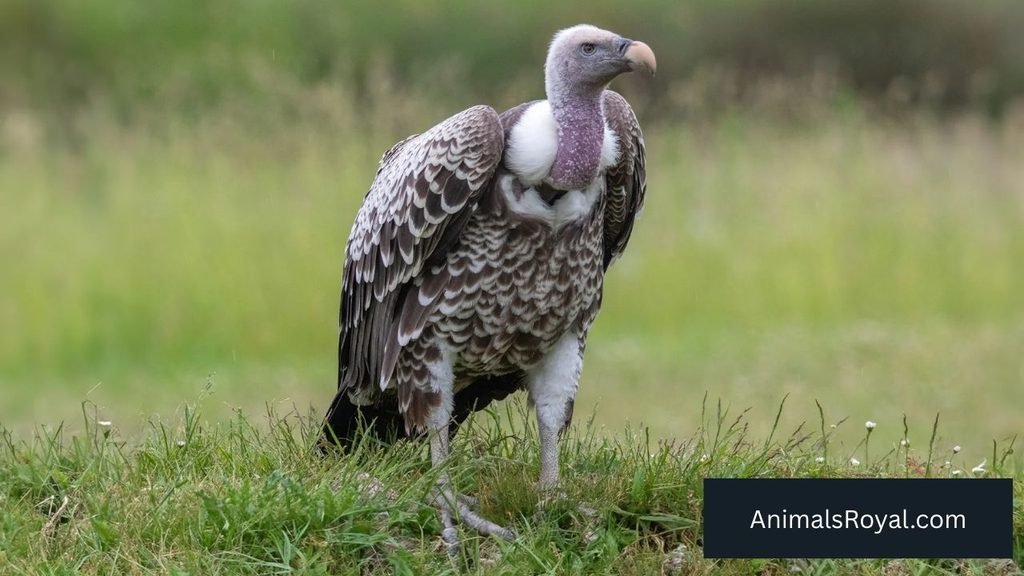
However, these majestic birds face an uncertain future. Habitat loss, poisoning, and poaching have dramatically reduced their populations, casting a shadow over their bright role in nature. Conservation efforts are paramount; initiatives such as creating safe feeding zones and public education campaigns are crucial to ensure the survival of Rüppell’s Vulture.
Egyptian Vulture
Scientific Name: Neophron percnopterus
The Egyptian Vulture, often overshadowed by more glamorous raptors, possesses an undeniable charisma marked by its striking plumage and unique behaviors. With a wingspan that can reach nearly six feet, this bird is a master of both flight and ecological balance. Observing these vultures in their natural habitat reveals their intriguing foraging techniques; they’re not afraid to use stones to crack open ostrich eggs — an impressive example of tool use in birds.
Beyond their hunting prowess, Egyptian Vultures play a pivotal role in their ecosystems, serving as nature’s clean-up crew. By feeding on carrion, they prevent the spread of disease, making them indispensable allies to the health of their habitats. Their migratory patterns also tell a fascinating story; some populations travel thousands of miles between breeding and wintering grounds, showcasing resilience in the face of environmental change.
Crested Caracara
Scientific Name: Caracara plancus
The Crested Caracara stands out as a fascinating scavenger bird, often found in open landscapes across Central and South America, and parts of the southern United States. What makes this striking raptor particularly compelling is its remarkable adaptability; it thrives not only in natural habitats like savannas and wetlands but also in urban areas. Observers often find these birds perched atop telephone poles, scanning their surroundings for potential meals.
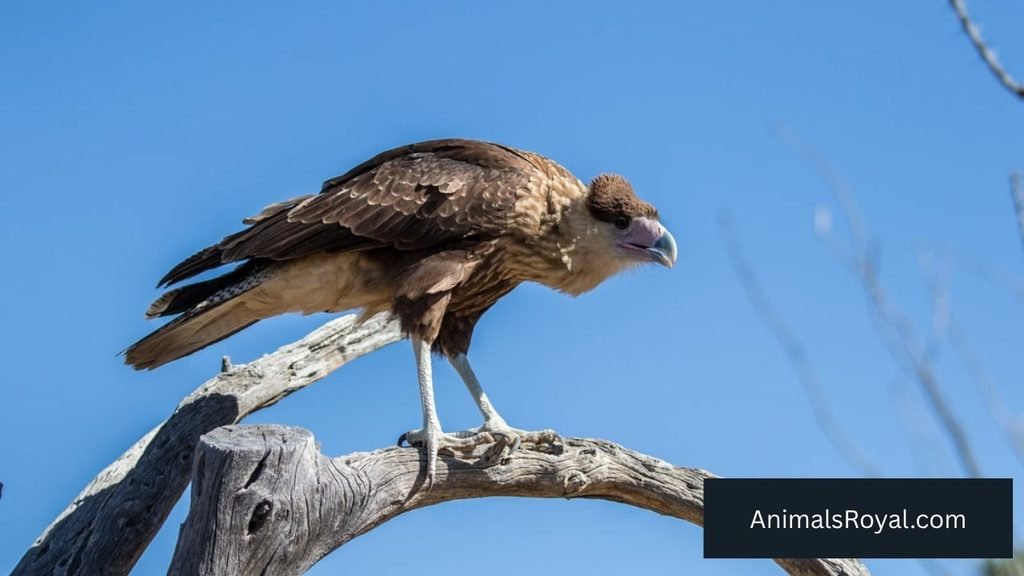
Beyond its scavenging prowess, the Crested Caracara is renowned for its intriguing courtship displays. Males engage in elaborate aerial performances to impress potential mates, showcasing a blend of physical agility and boldness. Their distinct black-and-white plumage punctuated by a vibrant, orange facial skin gives them an unmistakable presence in the wild.
Andean Condor
Scientific Name: Vultur gryphus
The Andean Condor, soaring over the rugged landscapes of South America, embodies the essence of scavenging. With a wingspan that can exceed ten feet, these majestic birds are not just the largest flying land birds but also remarkable ecological stewards. Their role is pivotal; they efficiently recycle nutrients by feeding on carrion, which prevents the spread of disease and promotes a balanced ecosystem.
Yet, this iconic scavenger faces challenges, from habitat loss to poisonings, as human activities encroach upon their territory. Efforts to conserve the Andean Condor are crucial for maintaining biodiversity in their habitats, and they symbolize broader environmental struggles. Engaging with initiatives aimed at protecting these birds not only helps ensure their survival but also serves as a reminder of our interconnectedness with wildlife.
Herring Gull
Scientific Name: Larus argentatus
Herring gulls, often dismissed as mere scavengers, play a crucial role in maintaining the ecological balance of coastal environments. With their striking grey and white plumage and sharp cries, these birds are not just opportunistic feeders; they are keen problem solvers. Observations reveal that herring gulls can use tools, such as dropping shellfish onto rocks to crack them open, showcasing a level of intelligence that has fascinated ornithologists. This behavior highlights their adaptability and resourcefulness, proving that they are much more than mere scavengers.
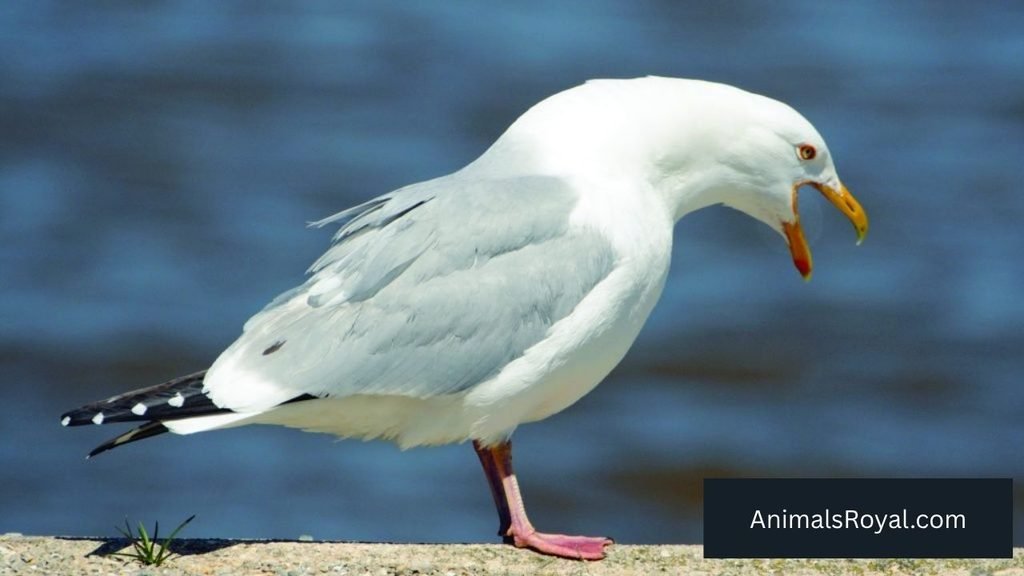
Moreover, herring gulls exhibit complex social structures and communication methods. They form strong bonds within their colonies, where intricate vocalizations and body language help maintain order. Their foraging strategies are equally sophisticated; they often patrol beaches and piers, seizing opportunities created by human activity. Instead of solely relying on carrion, they have adapted to exploit waste, thus playing a pivotal role in urban ecosystems.
Carrion Crow
Scientific Name: Corvus corone
The Carrion Crow, often overshadowed by its more glamorous avian relatives, plays a pivotal role in maintaining ecological balance. These birds are not merely foragers; they are intelligent scavengers equipped with remarkable problem-solving skills. Observing them as they navigate urban landscapes and rural settings reveals their adaptability. They utilize tools to extract food, showcasing a level of cognitive ability that rivals that of some primates.
Moreover, the Carrion Crow is a social creature, often seen in small groups that communicate through a range of caws and calls. This social structure allows them to share information about food sources and potential dangers, marking them as one of the smartest birds in the ecosystem. Fascinatingly, they can also recognize human faces, differentiating between those who pose a threat and those who do not.
Griffon Vulture
Scientific Name: Neophron percnopterus
The Griffon Vulture, with its impressive wingspan reaching up to 9 feet, embodies the essence of aerial mastery as it glides effortlessly across vast landscapes. This majestic scavenger plays a crucial role in the ecosystem, providing an essential service by consuming carrion that would otherwise spread disease. Its keen eyesight allows it to spot carcasses from miles away, showcasing nature’s remarkable adaptation to environmental needs.
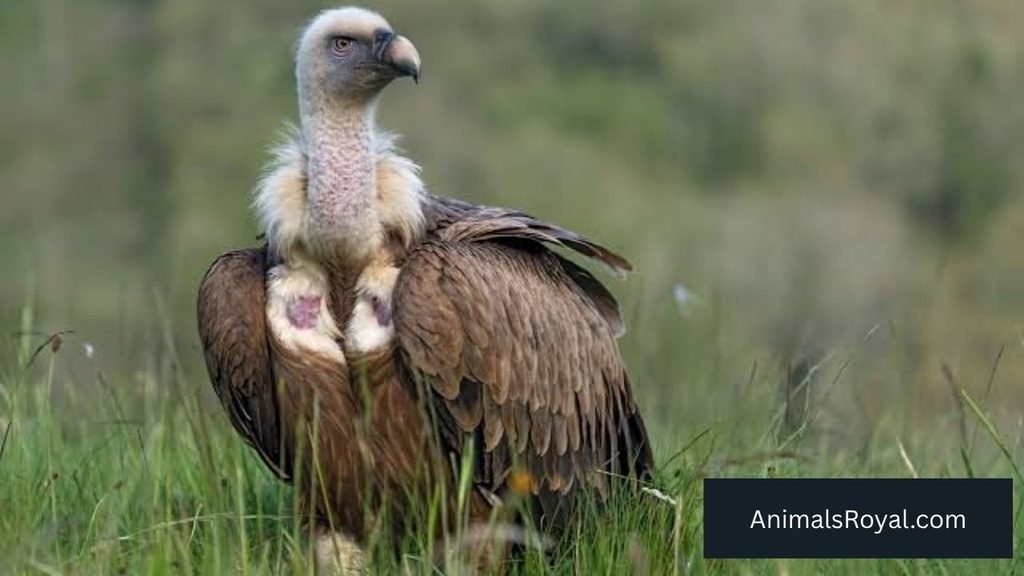
These birds often gather in large groups, engaging in intricate communication rituals that reveal the dynamics of their social hierarchy. Their communal feeding practices not only highlight their intelligence but also foster a sense of cooperation vital for survival. As we witness the decline in their populations due to habitat loss and poisoning, it becomes imperative to appreciate and protect these remarkable avian scavengers.
King Vulture
Scientific Name: Sarcoramphus papa
The King Vulture, with its striking plumage and regal appearance, reigns as a vital scavenger in the ecosystems of Central and South America. Unlike its more familiar cousins, the King Vulture boasts a vibrant head adorned with a kaleidoscope of colors, including orange, yellow, and red. This striking coloration not only makes it visually captivating but also serves a critical role in signaling its health and vitality to potential mates.
Interestingly, the King Vulture’s keen eyesight allows it to spot potential meals from great distances, making it a masterful hunter of remnants left by larger predators. Unlike some scavengers that rely on their sense of smell, these birds are primarily visual foragers, showcasing a unique evolutionary adaptation. Their presence in the food chain underscores the importance of biodiversity; as habitat loss threatens their populations, the ramifications extend beyond their survival to the overall health of the ecosystem.
Lappet-faced Vulture
Scientific Name: Torgos tracheliotos
The Lappet-faced Vulture, with its distinctive bald head and robust physique, is a formidable scavenger in the arid landscapes of Africa and parts of the Middle East. What sets this majestic bird apart from its kin is not just its size but its unique feeding behavior. Unlike other vultures that may compete over carrion, the Lappet-faced Vulture often scours the remains left by larger predators, showcasing a fascinating social hierarchy in nature’s clean-up crew.
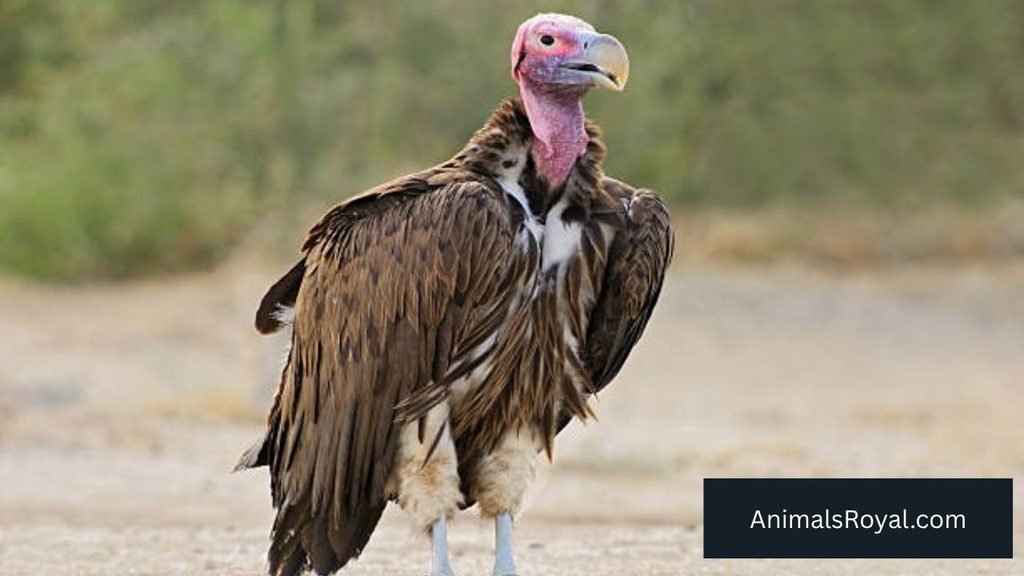
Observing the Lappet-faced Vulture in action reveals the delicate balance of ecosystems. These birds play an essential role in disease control, consuming decaying flesh that might otherwise harbor pathogens. Yet, their survival is threatened by habitat loss and poisoning, reminding us of the interconnectedness of species and the urgency to protect these scavengers.
Northern Giant Petrel
Scientific Name: Macronectes halli
The Northern Giant Petrel, often mistaken for a typical seabird, embodies a fascinating duality in its feeding habits. While it can gracefully soar over the tumultuous Southern Oceans, it is also an opportunistic scavenger, playing a critical role in marine ecosystems. These birds have evolved to be nature’s cleanup crew, their robust bodies and formidable beaks perfectly adapted to tearing apart the remnants of whale carcasses or feasting on the remains of other marine animals.
Unlike many scavengers, which often display aggression in competition for resources, these petrels exhibit a unique form of cooperative feeding. At times, they can be seen forming loose colonies around a carcass, where the dynamics of their behavior can resemble a delicate ballet rather than a chaotic melee. Such behaviors can reveal much about their social structures and adaptability, highlighting the intelligence at play in an animal often underestimated in the avian world.
Turkey Vulture
Scientific Name: Cathartes aura
Turkey vultures may not be the most glamorous of birds, but their role in the ecosystem is nothing short of remarkable. With their keen sense of smell — unique among birds — they can detect decaying carcasses from miles away, showcasing nature’s incredible adaptations. This ability allows them to contribute significantly to their environment by efficiently cleaning up dead animals that could otherwise spread disease.
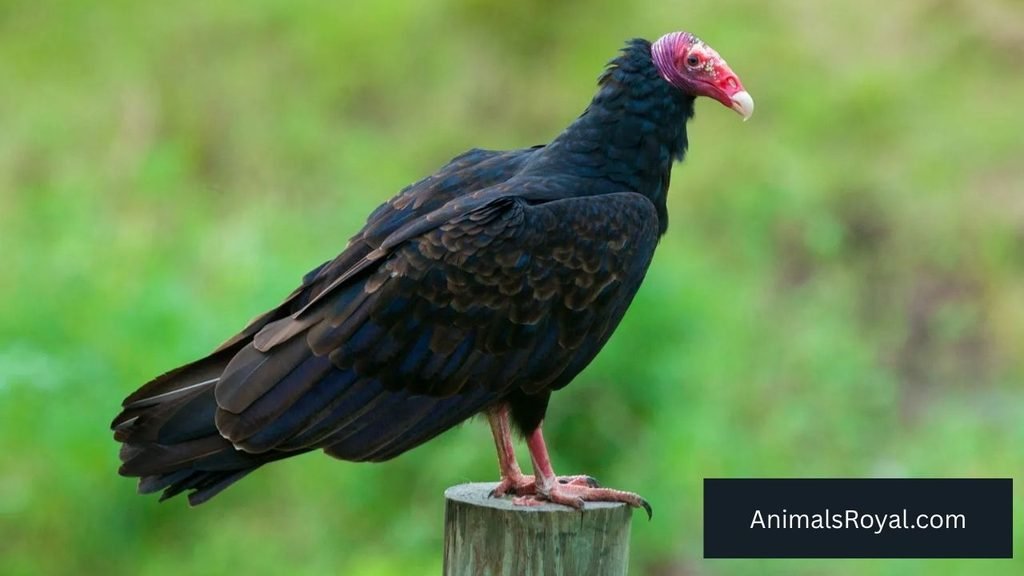
Beyond their scavenging prowess, turkey vultures have intriguing social behaviors. They often roost in large communal groups, providing a fascinating glimpse into their social structures. These gatherings aren’t just for safety; they also serve as teaching moments for younger vultures, who learn from more experienced adults when to find food and how to interact with other scavengers, like raccoons or coyotes.
Conclusion
Scavenger birds play a crucial role in maintaining the ecological balance of their environments. From the agile vultures soaring high in the sky to the clever corvids rummaging through remains, these birds are nature’s cleanup crew, ensuring that ecosystems thrive. Their unique adaptations and diverse behaviors not only showcase their intelligence but also highlight their importance in addressing issues like waste management and disease control. As we continue to learn more about these fascinating creatures, it’s vital to support conservation efforts that protect their habitats.
FAQs
Which birds are known as scavengers?
Scavenger birds are those that primarily feed on the remains of dead animals, playing a crucial role in the ecosystem by helping to dispose of carcasses and prevent the spread of disease. Notable examples include vultures, which are perhaps the most well-known scavengers. These birds have an exceptional sense of smell and eyesight, allowing them to locate carrion from great distances.
What is the biggest scavenger bird?
The biggest scavenger bird is the Andean condor, which boasts a wingspan of up to 10.5 feet and can weigh as much as 33 pounds. Native to South America, particularly in the Andes mountain range, the Andean condor often soars at high altitudes, thanks to its impressive wings and strong thermals.