Top 29 Animals That Live in Groups (With Images)
This intriguing aspect of animal behavior drives survival strategies and fosters intricate social systems. In our exploration of the top 29 animals that live in groups, you’ll discover how these social dynamics impact the entire ecosystem. Prepare to be amazed by stunning images and insightful facts that showcase the power of community in the wild!
List of Animals That Live in Groups
Below is the list of animals that live in groups:
| Number of Animals | Names of Animals that Live in Groups |
| 1 | Sheep |
| 2 | Deer |
| 3 | Crows |
| 4 | Wolves |
| 5 | Ants |
| 6 | Jellyfish |
| 7 | Honeybees |
| 8 | Horses |
| 9 | Raccoons |
| 10 | Guinea Baboon |
| 11 | Giraffes |
| 12 | Camels |
| 13 | Emperor Penguins |
| 14 | Gorillas |
| 15 | Flamingos |
| 16 | Parrots |
| 17 | African Wild Dogs |
| 18 | Chimpanzees |
| 19 | Spotted Hyenas |
| 20 | Zebra |
| 21 | Sea Otters |
| 22 | Killer Whales/Orcas |
| 23 | Elephants |
| 24 | Dolphins |
| 25 | Rats |
| 26 | Prairie dogs |
| 27 | Meerkats |
| 28 | Bats |
| 29 | Lions |
Sheep
Scientific Name: Ovis Aries
Class: Mammalia
Diet: Herbivore
Sheep are fascinating creatures not just for their woolly coats but for their complex social structures. Living in groups, or flocks, they rely heavily on communal living for safety. This social behavior fosters a unique bond among flock members, allowing them to communicate through various vocalizations and body language. Interestingly, sheep have strong flocking instincts that help them react quickly to potential predators, moving as a cohesive unit to confuse threats.
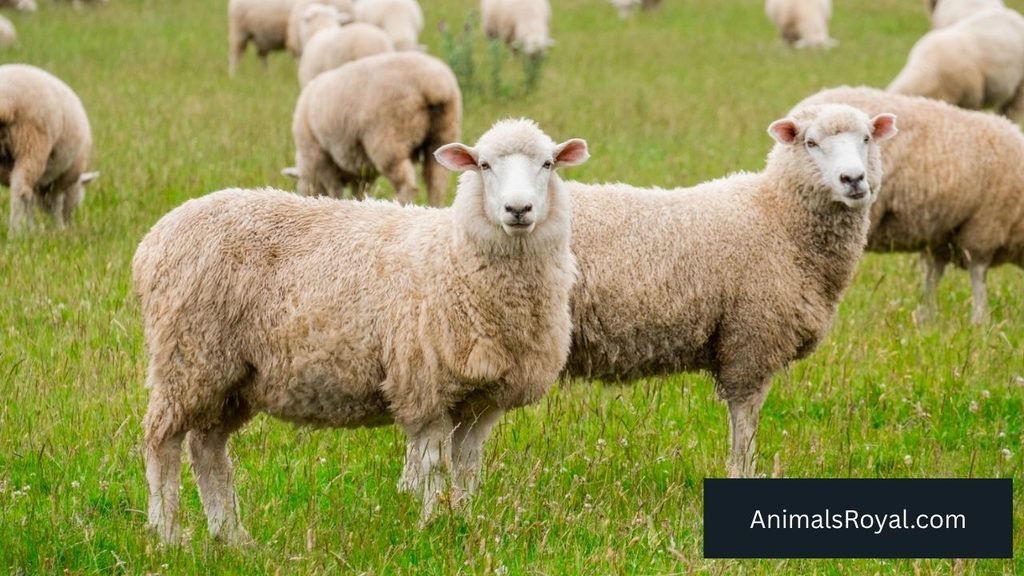
Their social hierarchy is just as intriguing; dominant individuals often lead the group, making decisions about grazing and movement. This hierarchy isn’t immovable, though. Subtle shifts occur as younger or bolder sheep may challenge leading members, showcasing an ever-evolving dynamic within the group’s social landscape.
Deer
Scientific Name: Cervidae
Class: Mammalia
Diet: Herbivore
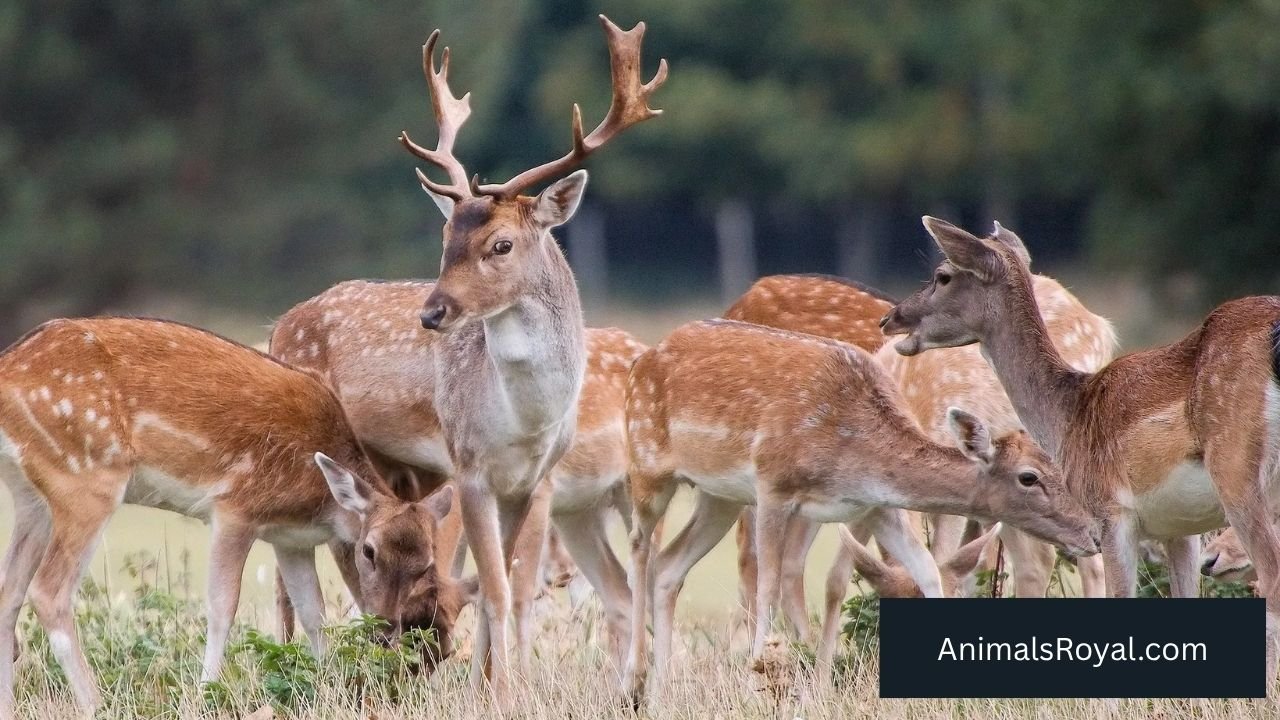
Deer are fascinating creatures that thrive in herds, demonstrating the importance of social interaction in the wild. Living in groups allows them to enhance their survival strategies, as vigilance collectively increases the chances of spotting predators. A magnificent example of this behavior is seen in the white-tailed deer, where does and their fawns bond closely in maternal groups.
Interestingly, the dynamic within deer herds is influenced by seasonal changes, especially during the rutting season. Males, known for their solitary behavior outside of breeding, may jostle for dominance within the group, showcasing their strength and prowess. This temporary formation of hierarchies not only dictates mating rights but also affects social bonds, illustrating how competition can coexist with cooperation.
Crows
Scientific Name: Corvus
Class: Aves
Diet: Omnivore
Crows, often underestimated for their intelligence, showcase a fascinating social structure that rivals even the most well-known animal societies. These highly adaptable birds are known for their intricate problem-solving abilities and advanced communication skills. Living in large, tight-knit family groups allows them to share tasks such as gathering food and protecting their young from predators.
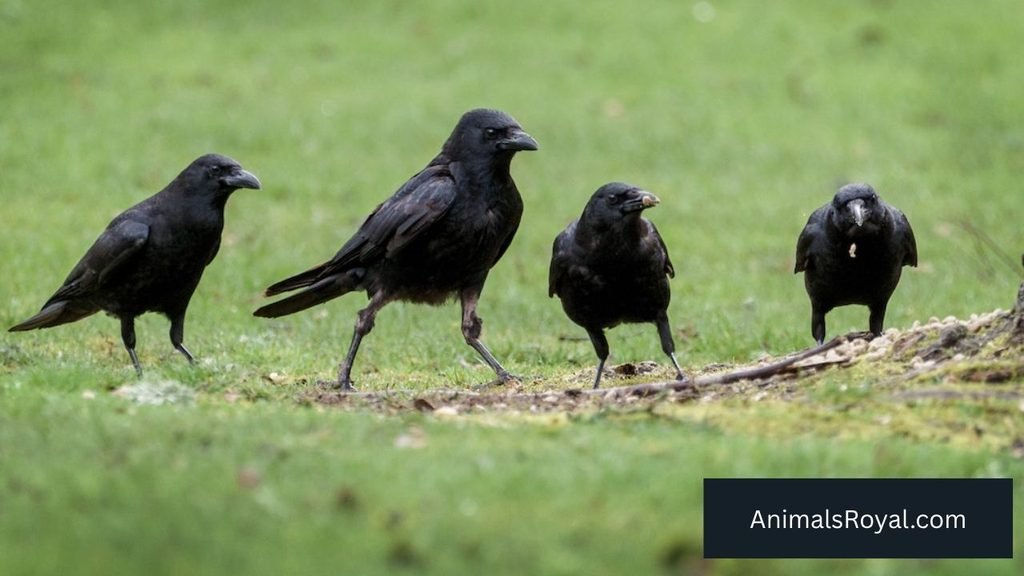
They possess a diverse vocal repertoire, allowing them to convey specific messages about food sources or potential threats. This rich form of communication fosters strong social bonds and enables these birds to create intricate systems of alliances, which can significantly enhance their survival prospects.
Wolves
Scientific Name: Canis Lupus
Class: Mammalia
Diet: Carnivore
Wolves are fascinating social animals known for their complex pack dynamics, which provide a rich tapestry of behaviors and interactions. A pack typically consists of a dominant breeding pair, their pups, and several subordinate wolves, all of whom play distinct roles within their social structure. This hierarchy is not merely about dominance; it fosters cooperation and ensures the survival of the group.
Interestingly, each pack develops a unique culture of behaviors and hunting techniques, shaped by the environment they inhabit and the challenges they face. For instance, in areas with abundant prey, packs might adopt a more relaxed, playful demeanor, while those in harsher climates may engage in more strategic and efficient hunting methods.
Ants
Scientific Name: Formicidae
Class: Insecta
Diet: Omnivore
Ants are fascinating examples of collective living, showcasing a level of organization that rivals even the most complex human societies. These tiny architects and engineers work in unison, building intricate nests that serve as bustling hubs of activity. Their ability to communicate through pheromones allows them to relay important information about food sources, threats, and even the health of the colony.
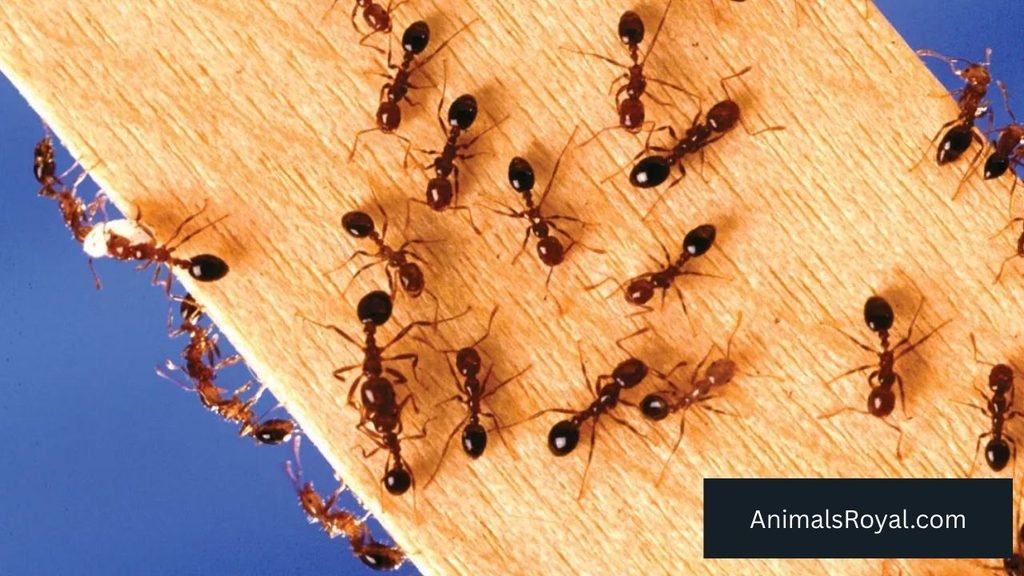
With roles ranging from workers to soldiers to queens, each ant contributes uniquely to the colony’s survival. Yet, when faced with changing conditions — like shifts in food availability or predation — ants exhibit remarkable adaptability. Some species practice altruism, where individuals sacrifice their own well-being for the greater good, embodying a deep-rooted sense of community that challenges our understanding of individualism in nature.
Jellyfish
Scientific Name: Medusozoa
Class: Scyphozoa
Diet: Carnivore
Though jellyfish are often perceived as solitary drifters of the ocean, they exhibit fascinating collective behaviors that challenge this notion. Certain species, like the moon jellyfish, can form vast aggregations, known as blooms, that can number in the millions. These gatherings aren’t merely a random occurrence; they play a crucial role in the ecosystem, often linked to seasonal changes in temperature and currents.
The dynamics within jellyfish blooms offer insight into their survival strategies. While they may appear ethereal and delicate, these communal gatherings serve various purposes: from enhancing reproductive success through synchronized spawning to providing protection against predators. The blooms attract a variety of marine life, creating a unique micro-ecosystem that further enriches the ocean’s biodiversity.
Honeybees
Scientific Name: Apis Mellifera
Class: Insecta
Diet: Herbivore
Honeybees are the quintessential example of collaboration in the animal kingdom. These remarkable insects live in highly structured societies, where the division of labor showcases their exceptional social organization. The queen, the workers, and the drones each play distinct roles, ensuring the hive’s survival and efficiency. Workers are not just foragers; they also undertake various tasks, including nursing larvae, cleaning, and even managing temperature control within the hive.
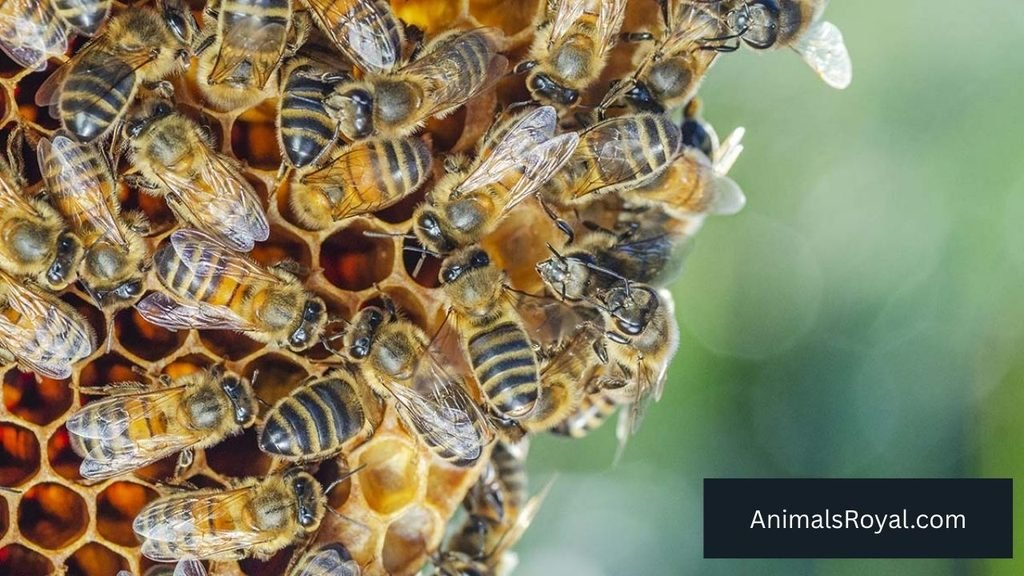
Moreover, the communication methods employed by honeybees are nothing short of astonishing. Through the famous “waggle dance,” a forager can convey the distance and direction of floral resources, transforming individual discoveries into collective foraging efficiency. This complex signaling system highlights a level of intelligence that challenges our understanding of insect behavior.
Horses
Scientific Name: Equus Ferus Caballus
Class: Mammalia
Diet: Herbivore
Horses are fascinating creatures that thrive in social communities, often forming tight-knit herds that reflect their complex social structures. Within these groups, horses establish hierarchies, with dominant leaders guiding the herd’s movements and decisions. This natural inclination to live in groups stems from their evolutionary history; horses are prey animals, relying on the safety of numbers to evade predators.
Beyond mere survival, these social dynamics greatly influence their behavior and well-being. Horses groom one another, strengthening bonds and reducing stress, while also using physical touch to convey affection and reassurance. Observing a herd can reveal an intricate ballet of relationships and interactions, as these intelligent animals engage in play, establish friendships, and even show empathy towards one another.
Raccoons
Scientific Name: Procyon Lotor
Class: Mammalia
Diet: Omnivore
Raccoons, often recognized for their distinctive masked faces and nimble fingers, exemplify the art of social networking among wildlife. While typically seen as solitary foragers, these clever creatures frequently form small groups known as “gaze” or “nursery” groups, particularly during the summer months. This social structure enables raccoons to leverage cooperative behaviors when seeking food, allowing them to uncover more substantial resources by pooling their intelligence and skills.
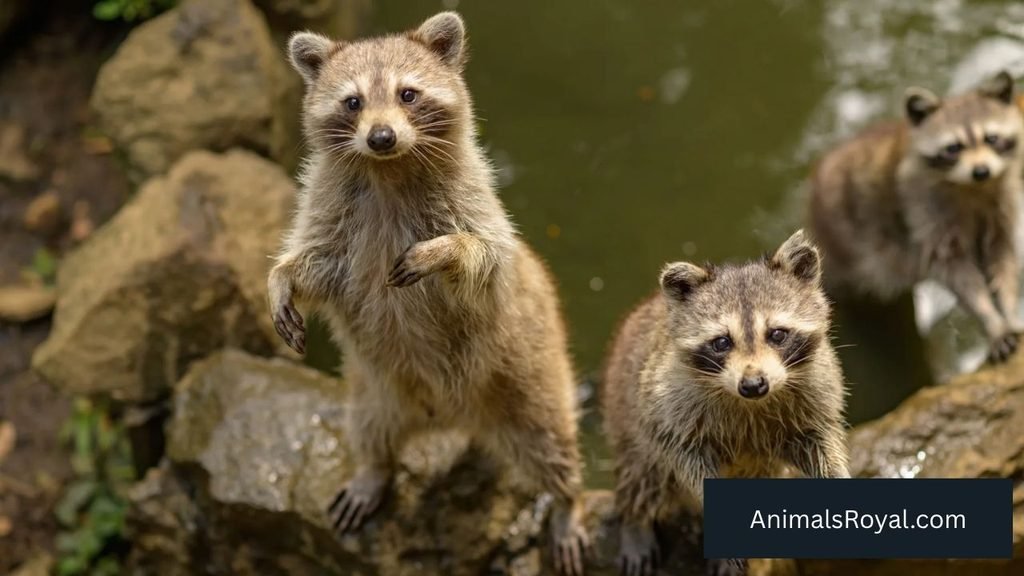
Moreover, these masked bandits display a level of social bonding rarely seen in other mammals. Young raccoons often learn vital survival skills from older companions, enriching their play with essential lessons on hunting and foraging techniques. Interestingly, raccoons communicate through a variety of vocalizations — ranging from purrs to whistles — most of which help maintain group cohesion and foster social ties.
Guinea Baboon
Scientific Name: Papio Papio
Class: Mammalia
Diet: Omnivore
Guinea baboons are a fascinating example of social mammals that thrive in cohesive groups, often referred to as troops. These troops can consist of up to 100 individuals, showcasing not just the complexity of their social structures but also the intricacies of their relationships. Dominated by a hierarchy often led by a single alpha male, the troop’s social dynamics involve grooming rituals, playful interactions, and even alliances among females.
Moreover, the emotional intelligence of Guinea baboons shines through their social behaviors. They exhibit empathy-like responses, comforting fellow troop members in distress and forming strong bonds that can last a lifetime. Such connections are essential for the troop’s well-being, fostering a support system that enhances survival odds in challenging environments.
Giraffes
Scientific Name: Giraffa Camelopardalis
Class: Mammalia
Diet: Herbivore
Giraffes, often perceived as solitary grazers, actually exhibit a fascinating social structure within their herds. These gentle giants roam in loose groups called “towers,” which can consist of a few to over a dozen individuals. Each tower is fluid, enabling members to come and go as they please, fostering a dynamic social environment where young calves learn vital survival skills from older adults, such as navigating the vast savannah and identifying threats.
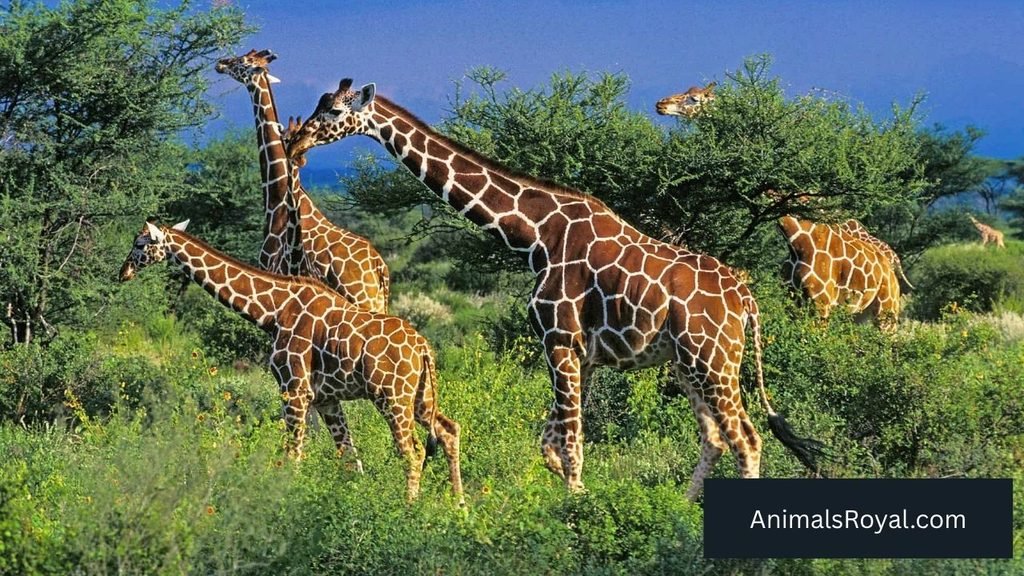
One of the most intriguing aspects of giraffe social behavior is their unique form of communication. While they are generally quiet, giraffes utilize a range of vocalizations, body language, and even subtle postures to convey their feelings and intentions. For instance, they may lean into each other and make low humming sounds during the night, a behavior that reflects camaraderie and bonding.
Camels
Scientific Name: Camelus
Class: Mammalia
Diet: Herbivore
Camels, often seen as solitary wanderers of arid landscapes, actually thrive in social groups known as caravans. These caravans can consist of a few individuals or extend to dozens, showcasing a fascinating social structure primarily driven by their need for safety and companionship in harsh environments. Within these groups, camels exhibit a remarkable social hierarchy where bonds are formed through grooming rituals and vocalizations.
Interestingly, the dynamics of camel groups change with the seasons. During harsher climates, such as extreme heat or drought, they tightly cluster together for warmth and protection, utilizing their collective strength to fend off predators. In contrast, during milder seasons, they may break off into smaller subgroups, allowing them to explore new territories and optimize their grazing.
Emperor Penguins
Scientific Name: Aptenodytes Forsteri
Class: Aves
Diet: Carnivore
Emperor penguins, the towering icons of the Antarctic, exemplify the power of community. These remarkable birds endure the harshest winters by forming vast colonies that can number in the thousands. Together, they huddle for warmth, a mesmerizing display of unity that not only conserves body heat but also strengthens social bonds. Each penguin takes turns rotating positions in the huddle, showcasing an innate understanding of reciprocity and support, effectively sharing both warmth and the burden of survival.
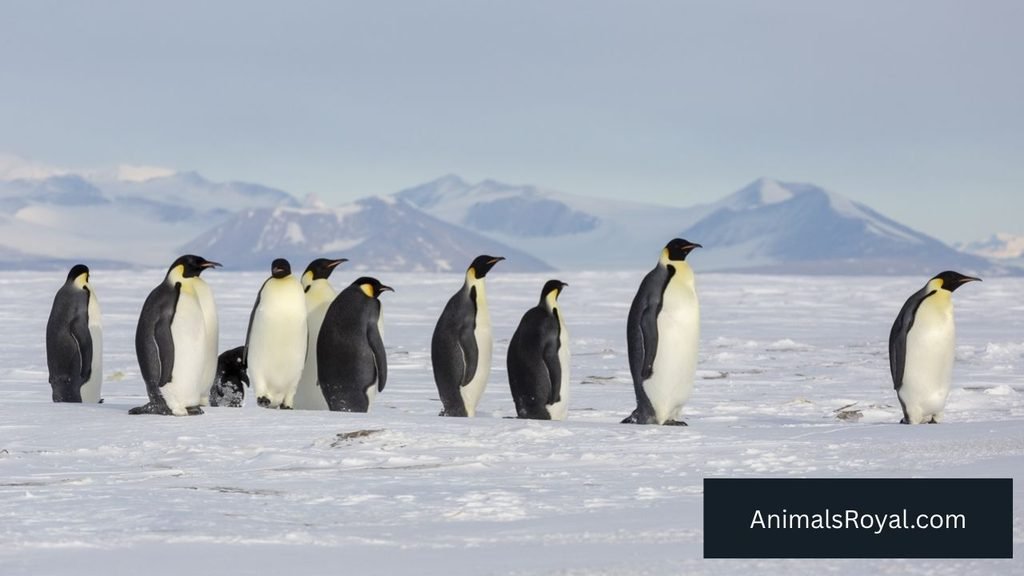
Beyond the icy terrain, the emperor penguin’s communal lifestyle extends to parenting. Females lay a single egg, and in a breathtaking act of cooperation, males perform the daunting task of incubation, balancing the egg on their feet for about two months without food. This shift in roles emphasizes their deep commitment to nurturing the next generation, showcasing a unique aspect of their social structure that extends beyond mere survival.
Gorillas
Scientific Name: Gorilla
Class: Mammalia
Diet: Herbivore
Gorillas, often seen as symbols of strength and family, embody the essence of communal living. Within their troops, known as bands, social structures flourish. Led by a dominant silverback male, these groups cultivate complex relationships marked by nurturing behaviors and communication. The silverback not only protects but also serves as a key decision-maker, always prioritizing the well-being of his troop.
In these close-knit communities, gorillas engage in a range of social interactions, from grooming each other to playing, which helps to form bonds and reduce tension. This social grooming is not merely about hygiene; it fosters trust and reinforces alliances within the group. Remarkably, gorillas display emotional depth, exhibiting grief and joy, further highlighting the importance of their familial ties.
Flamingos
Scientific Name: Phoenicopterus
Class: Aves
Diet: Omnivore
Flamingos, with their vibrant pink plumage and elegant, curved necks, are not just visually stunning; they embody the essence of social living in nature. These striking birds are often seen in large colonies that can number in the thousands, a strategy that enhances their survival. Living in such close-knit groups offers flamingos safety in numbers, making it harder for predators to single them out.
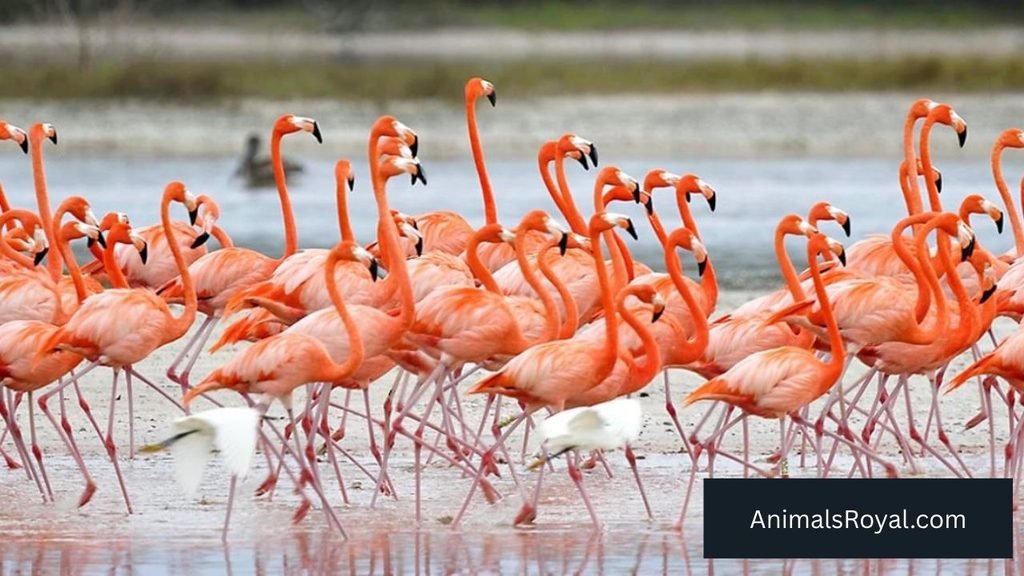
The vibrant color of flamingos is a product of their diet: the more they consume carotenoid-rich foods, the more vivid their feathers become. This shared influence of diet not only breeds competition but also reflects the health of the colony as a whole, emphasizing the intricate connection between individual fitness and the well-being of the collective.
Parrots
Scientific Name: Psittaciformes
Class: Aves
Diet: Omnivore
Parrots are not only vibrant creatures but also social beings that thrive in flocks, often comprising dozens or even hundreds of individuals. Their group dynamics are fascinating, where communication plays a pivotal role. In the wild, they engage in spirited conversations, using a rich array of vocalizations to convey warnings, establish bonds, and maintain group cohesion. Their chatter resonates through the forest, creating a symphony of color and sound that is as enchanting as their plumage.
Living in groups offers parrots various survival advantages. They can fend off predators more effectively through coordinated vigilance, relying on each member to keep an eye out. These social structures foster intricate relationships and learning opportunities, where younger parrots mimic behaviors from their elders.
African Wild Dogs
Scientific Name: Lycaon Pictus
Class: Mammalia
Diet: Carnivore
African wild dogs, with their strikingly painted coats and keen social dynamics, offer a fascinating lens into the complexities of group living in the animal kingdom. Unlike many solitary hunters, these dogs thrive in packs that can range from 2 to over 20 members, showcasing an intricate social structure. Each member plays a vital role in the group’s survival, from hunting to caretaking, illustrating the strength found in collective effort.
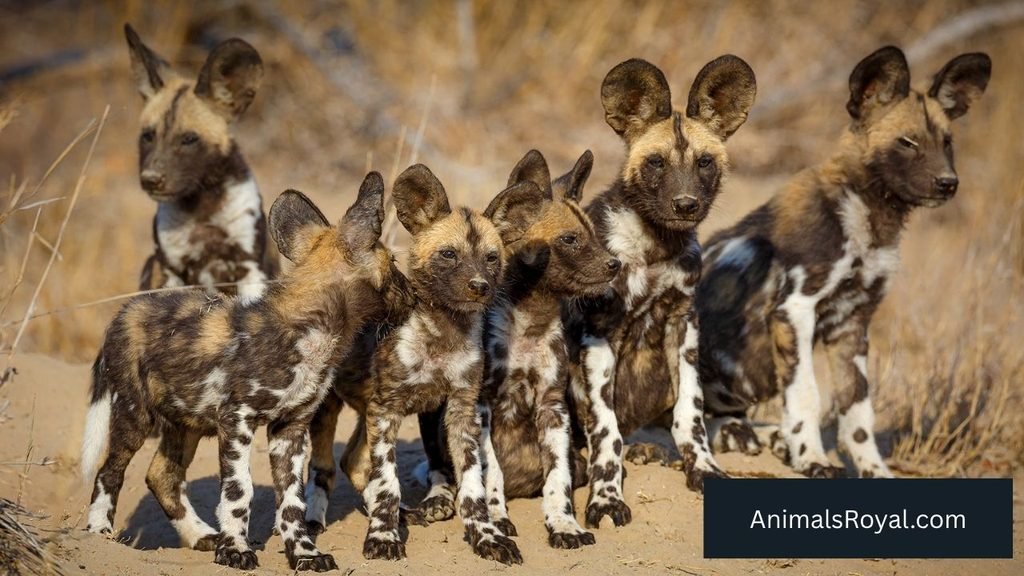
Moreover, their social bonds extend beyond mere survival instincts; African wild dogs are known for their profound loyalty and affection toward pack mates. Their unique greeting ceremonies, involving playful interactions and vocalizations, highlight emotional connections that are rarely seen in other canids. Such behaviors not only foster unity but also contribute to the pack’s resilience in facing environmental challenges.
Chimpanzees
Scientific Name: Pan Troglodytes
Class: Mammalia
Diet: Omnivore
Chimpanzees are remarkable not only for their intelligence but also for the intricate social structures they form within their communities. Living in groups known as troops, these primates exhibit complex behaviors that reflect their dynamic interpersonal relationships. The hierarchy within a troop is fascinating; alpha males may dominate, but it’s the nuanced alliances and friendships that truly drive the group’s cohesion.
Interestingly, chimpanzees display a remarkable capacity for empathy and emotion; they comfort their companions during stressful times and even share food, showcasing their understanding of social equity. This communal living extends beyond mere survival; it creates a space where cultural practices can emerge. Some troops have been observed using specific tools for foraging, with techniques spreading from one generation to the next, further emphasizing the significance of their group-based learning.
Spotted Hyenas
Scientific Name: Crocuta Crocuta
Class: Mammalia
Diet: Carnivore
Spotted hyenas, often misunderstood due to their reputation as scavengers, actually exhibit remarkable social structures and behaviors within their groups, or clans. Unlike many solitary predators, these animals thrive in matriarchal societies, where females dominate not only in size but also in the role of the leader. Each clan can range from a few individuals to over 80 members, creating an intricate web of relationships and hierarchies that rivals that of primate societies.
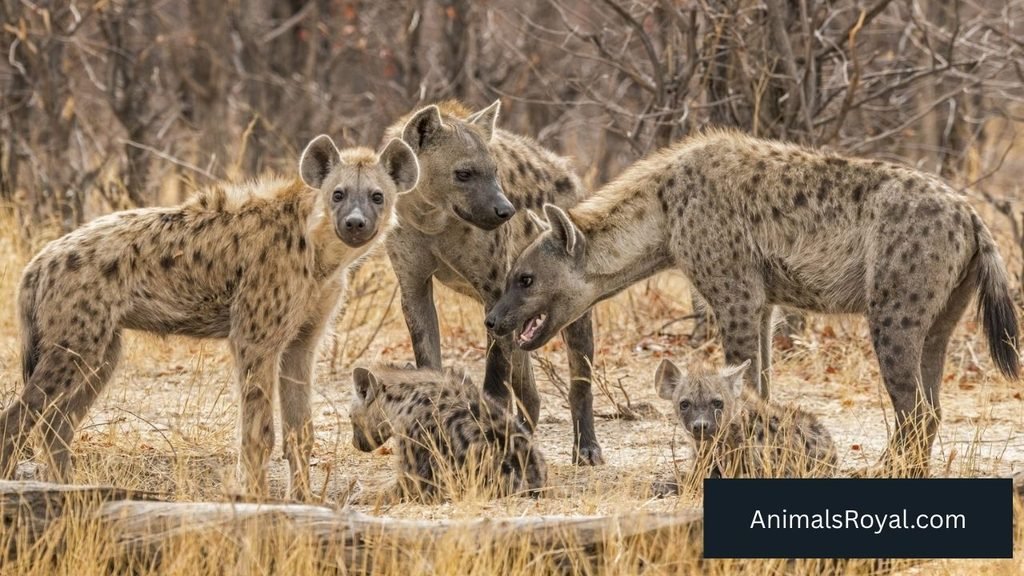
Their haunting whoops, cackles, and growls signal not just alarm, but can also convey intricate social messages among clan members. Beyond mere survival, these vocalizations strengthen bonds and facilitate cooperation, turning the hunt into a communal event that reinforces their social fabric. The raw energy and intelligence behind their group living challenge the simplistic idea of hyenas as mere scavengers, showcasing them as sophisticated predators with a rich social life.
Zebra
Scientific Name: Equus Quagga
Class: Mammalia
Diet: Herbivore
Zebras are fascinating creatures, not only for their striking black-and-white stripes but also for their intricate social structures. Living in groups known as herds, zebras create strong bonds that are crucial for their survival. These herds typically consist of females and their young, often led by a dominant mare. Males, known as stallions, usually establish a hierarchy and roam outside the main herd, seeking opportunities to mate and maintain genetic diversity.
One of the most interesting aspects of zebra behavior is their use of social dynamics to enhance protection against predators. The stripes that give them their unique appearance serve a dual purpose: they confuse predators by creating an optical illusion and help zebras recognize each other within the herd.
Sea Otters
Scientific Name: Enhydra Lutris
Class: Mammalia
Diet: Carnivore
Sea otters are fascinating creatures that redefine the concept of community among marine animals. Unlike many species that form loosely connected groups, sea otters exhibit a remarkable social structure, often gathering in “rafts” of up to 100 individuals. These rafts provide not only social interaction but also a safety net against predators like sharks and orcas. Floating together, they can wrap themselves in kelp to prevent drifting, showcasing a unique blend of cooperation and ingenuity.
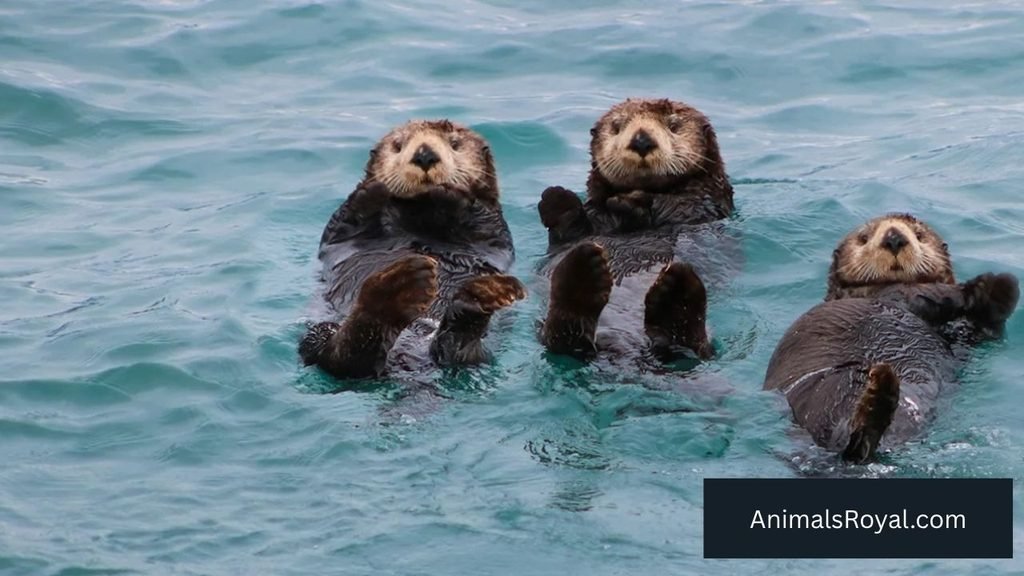
Beyond mere companionship, their collaborative foraging behavior has significant ecological implications; by keeping sea urchin populations in check, sea otters help maintain the balance of kelp forests, illustrating how interconnected their well-being is with the health of marine ecosystems. In their lively gatherings, sea otters exemplify how community can strengthen individual survival and contribute to a thriving habitat.
Killer Whales/Orcas
Scientific Name: Orcinus Orca
Class: Mammalia
Diet: Carnivore
Killer whales, or orcas, showcase a remarkable social structure that rivals even some of humanity’s intricate communities. They typically live in pods ranging from a few individuals to over 40, primarily composed of matrilineal family groups led by a female. This strong familial bond fosters cooperation in hunting, nurturing young, and even protecting members of the pod, reminiscent of tightly knit human families.
For instance, some groups specialize in hunting fish using sophisticated techniques, while others may target marine mammals, each employing distinct calls and hunting methods. These learned behaviors are passed down through generations, highlighting their ability to teach and adapt — a feature often attributed to advanced primates.
Elephants
Scientific Name: Loxodonta
Class: Mammalia
Diet: Herbivore
Elephants, renowned for their intelligence and emotional depth, exhibit complex social structures that can inspire awe and admiration. Unlike many other animals, these gentle giants thrive in matriarchal herds, where the oldest female often leads. This matriarch not only guides the group to water and food sources but also serves as the repository of knowledge, relaying crucial survival tactics that are passed down through generations.
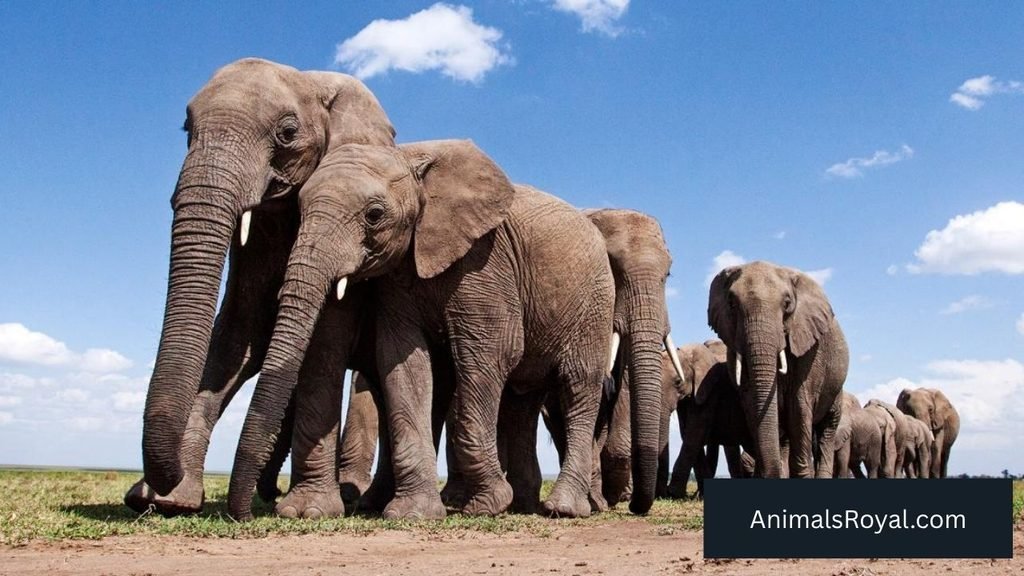
The dynamics within an elephant herd illustrate the richness of cooperation. Members exhibit behaviors such as protective shielding for calves and a communal approach to nurturing, where young elephants are cared for by all females in the group. This shared responsibility fosters an environment where social learning thrives — young ones observe and mimic the older elephants, honing skills necessary for survival.
Dolphins
Scientific Name: Delphinidae
Class: Mammalia
Diet: Carnivore
Dolphins are remarkable social creatures, thriving in complex societies often referred to as pods, typically consisting of 10 to 30 individuals. What sets these marine mammals apart is their sophisticated communication system, which includes a range of clicks, whistles, and body language. Research suggests that these vocalizations may serve as a language of sorts, allowing dolphins to coordinate hunts, share information, and strengthen social bonds.
Beyond communication, dolphins exhibit fascinating social behaviors, such as cooperative hunting strategies that demonstrate remarkable intelligence and teamwork. They often work in unison to herd fish into tight schools, making them easier to catch. Observations reveal that dolphins also engage in playful activities, from surfing on waves to playing with seaweed, indicating a rich social life that isn’t solely focused on survival.
Rats
Scientific Name: Rattus
Class: Mammalia
Diet: Omnivore
Rats are fascinating creatures that thrive in social environments, showcasing a complex community dynamic that often goes unnoticed. Living in groups, or colonies, they display remarkable behaviors that highlight their intelligence and adaptability. For instance, many species of rats engage in cooperative behaviors, such as grooming one another or sharing food, which not only builds social bonds but also promotes overall health within the group.
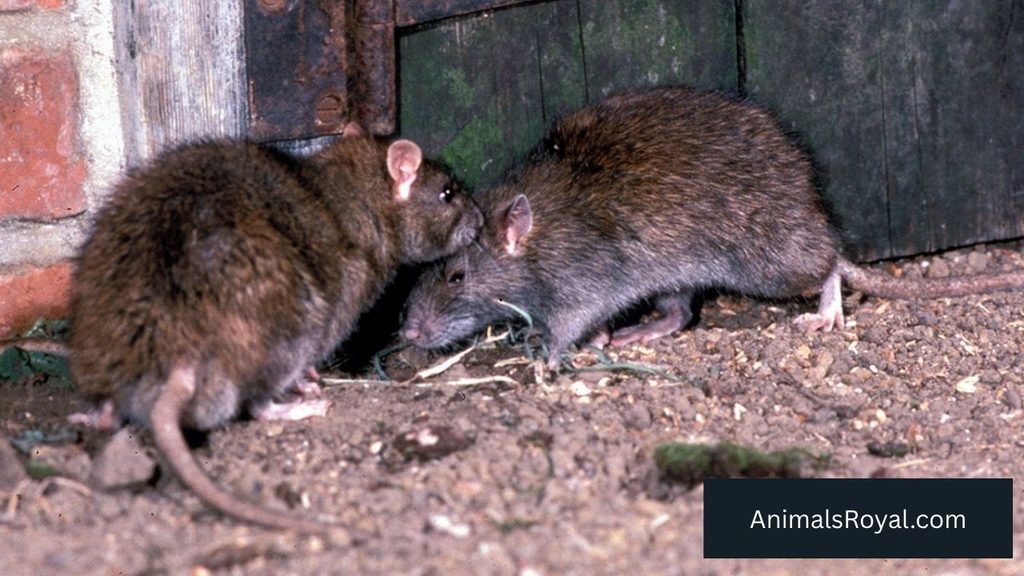
Moreover, the communal living of rats plays a significant role in their survival. They often work together to protect their young and defend against predators, demonstrating an impressive level of teamwork. This social structure also allows for information sharing; for example, if one rat discovers a food source, the others quickly learn and benefit from that knowledge.
Prairie dogs
Scientific Name: Cynomys
Class: Mammalia
Diet: Herbivore
Prairie dogs are fascinating social creatures that exemplify the complexities of life in a communal setting. Living in elaborate colonies known as “towns,” these small rodents showcase intricate social structures and relationships. Each town can span hundreds of acres and contain thousands of individuals. They communicate through a sophisticated system of barks and chirps, allowing them to relay specific information about predators or food sources.
Interestingly, prairie dogs exhibit a type of altruism rarely observed in other animals. They take turns standing guard while others forage, demonstrating a remarkable social responsibility. When danger approaches, a sentinel will emit warning calls, allowing the rest of the community to seek safety. This cooperative behavior not only enhances individual survival rates but also strengthens the overall resilience of the group.
Meerkats
Scientific Name: Suricata Suricatta
Class: Mammalia
Diet: Omnivore
Meerkats exemplify the fascinating dynamics of group living in the animal kingdom, showcasing intricate social structures that are both fascinating and vital for their survival. Living in packs called mobs, often consisting of up to 50 individuals, these small mammals demonstrate a variety of cooperative behaviors that promote collective welfare. Each member has a specific role, whether it’s foraging for food or standing guard against predators.
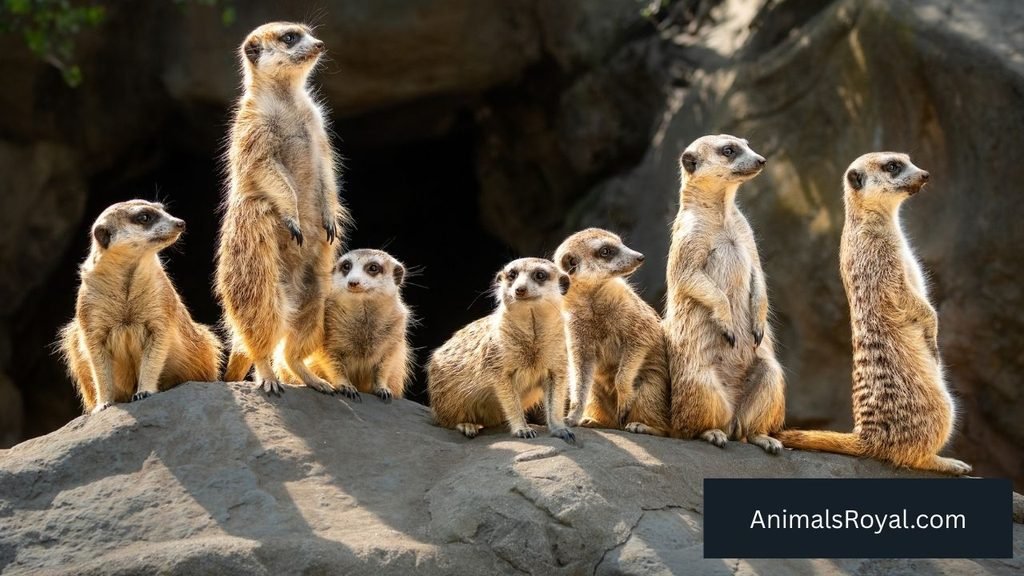
This social cohesion plays a significant role in their ability to thrive in the harsh environments of southern Africa, where danger lurks around every corner. Interestingly, meerkats also exhibit a form of altruism; sentinel meerkats bravely take turns standing watch while others forage, a testament to their strong social bonds. Observing these captivating creatures offers a profound glimpse into the beauty of collaboration in nature, reminding us of the intricate webs of connection that define not just animal societies, but our own as well.
Bats
Scientific Name: Chiroptera
Class: Mammalia
Diet: Omnivore
Bats are remarkable creatures that showcase a fascinating social structure as they live in large colonies, often numbering in the thousands. These colonies are not just about sheer numbers; they reveal complex social dynamics that include cooperation and communication. For instance, when foraging for food, bats employ advanced echolocation, and these vocalizations serve as a means to convey information about food sources within the group.
Moreover, the social nature of bats extends to their reproductive practices. Many species engage in communal roosting, where females gather in maternity colonies to raise their young. This cooperative arrangement offers thermal advantages, with the warmth generated by numerous bodies helping to incubate the young.
Lions
Scientific Name: Panthera Leo
Class: Mammalia
Diet: Carnivore
In the heart of the savannah, lions epitomize the essence of social living among wild animals. Unlike their solitary feline relatives, these majestic creatures thrive in prides, a dynamic social structure typically comprising related females, their offspring, and a coalition of males. Each pride operates almost like a family unit, where the females do most of the hunting.
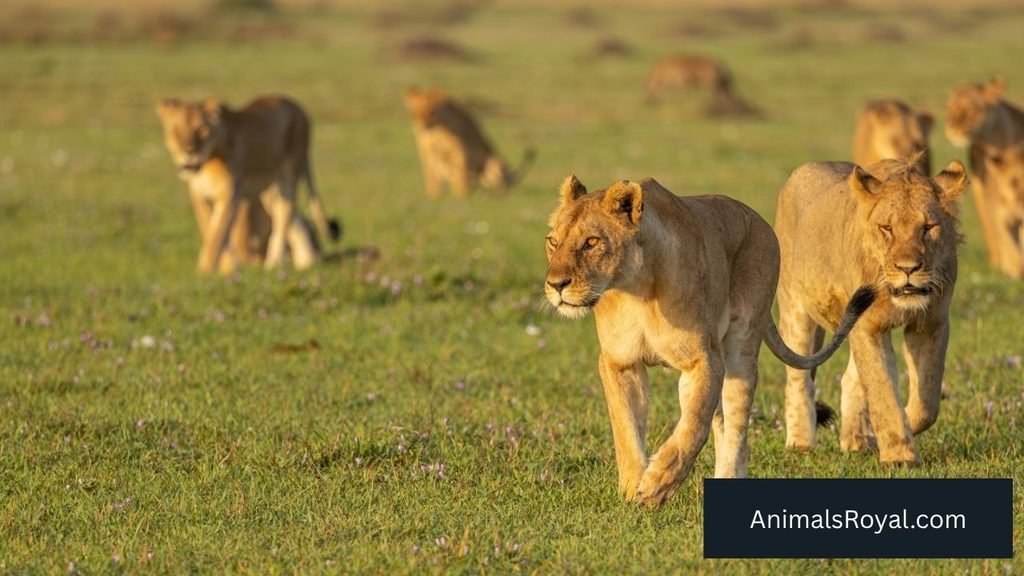
The interactions within a pride offer a glimpse into complex social behaviors. Lions communicate through various vocalizations, body language, and grooming rituals, strengthening their bonds and establishing hierarchies. The shared responsibility in nurturing cubs further illustrates a profound understanding of collective rearing, with lactating females often suckling the young of their relatives.
Readmore: Explore Top 19 Scavenger Birds in The World.
Conclusion
The diverse world of animals that thrive in groups showcases the beauty of social interactions in nature. From the intricate hunts of wolves to the harmonious nesting of birds, these creatures demonstrate the remarkable benefits of cooperation and collaboration. Observing how these animals interact not only enriches our understanding of their behaviors but also highlights the importance of social structures in the animal kingdom.
FAQs
What animals live in groups?
Many animals live in groups for various reasons, including safety, communication, and cooperation. One of the most well-known examples is pack animals like wolves, which hunt and raise their young together, utilizing teamwork to secure food and protect their territory. Social insects such as ants and bees also form incredibly organized colonies where each member plays a specific role, contributing to the overall success and survival of the group.
Why do animals live in a group?
Animals often live in groups for several key survival advantages. One primary reason is protection from predators. By forming larger groups, individuals can enhance their safety; the more eyes there are to spot danger, the better. For example, in schools of fish or flocks of birds, the sheer numbers can confuse predators and make it harder for them to target a single animal.